




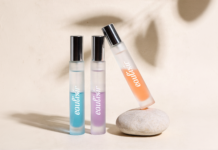





Haircare is no longer just about performance, but about experience. From the sustainability of upcycling and the scientific precision of skinification to the return of botanical rituals, haircare is becoming a tool for identity and wellbeing.
As part of a new approach to self-care that views hair health as a reflection of personal wellbeing and balance, haircare is experiencing a true renaissance, also confirmed by the numbers: predictions indicate that globally, the industry will reach 151 billion dollars by 2030 (Source: Grand View Research), while in Europe it is growing at an even faster pace (+6.8%), fuelled by a desire for innovation and naturality and by consumers who are becoming increasingly attentive and informed. A fact that is also reflected in digital culture: on TikTok, in October 2025 the hashtag #haircare surpassed 5 million mentions, a sign that the topic is more alive than ever.
Even in the haircare sector, the natural segment is certainly one of the most dynamic among the various subsections. The numbers show a market that, after reaching $10 billion in 2024, will reach nearly $17 billion by 2030, with a CAGR of 9.4% (Source: Grand View Research). Therefore, if haircare becomes one of the key segments of the beauty industry, one thing is certain: how natural a product is will undoubtedly be one of the main drivers of haircare. And there is no shortage of examples.
Upcycling: too good to waste
Upcycling, the practice of giving new value—or added value—to waste or by-products from other supply chains, is among the rapidly rising trends that stand out in particular. According to Google Academics, between 2023 and 2024 searches for upcycled ingredients in haircare grew by 20% (Source: Eurocosmetics).
Ingredients derived from food-industry by-products are now taking center stage in innovative formulations, exemplified by the unique, high-value actives developed by The Upcycling Beauty Company, a manufacturer of fully upcycled cosmetic ingredients, distributed in Italy by amita health care Italia.
An excellent example is Pumpkin TONIQ, a new haircare active ingredient that was recently launched on the market. Obtained from an upcycled matrix, Pumpkin TONIQ is a multifunctional active ingredient derived from pumpkin seeds and suited to a wide range of haircare applications and formulations: from conditioners and rinse-off masks to shine-enhancing leave-on serums. Its natural composition, rich in amino acids and minerals such as arginine and magnesium, guarantees tangible results in terms of conditioning, shine, and frizz control.

Or there’s Faba TONIQ™, a hair-styling active that is completely natural, obtained from a by-product of hummus production, and has been shown to maintain curls for 48 hours. This water-soluble, zero-waste ingredient offers improved hair manageability and visibly silkier, longer-lasting curls. The Upcycling Beauty Company is a tangible demonstration of how the haircare industry can reduce waste without compromising quality, performance, or the purpose of a product.
From skincare to haircare: the phenomenon of skinification
The line between skin and hair is becoming increasingly blurred. Beauty rituals are blending, and the scalp is becoming the new face. The skinification trend brings active ingredients typically found in skincare into the world of haircare, and they can now be found in targeted shampoos, masks, and leave-ins.
These are formulas that not only cleanse and nourish: they regenerate, protect, and rebalance—just like a facial treatment.
A perfect example of this trend is Passionare Oil by Cobiosa, distributed in Italy by amita health care. Cold-pressed from the seeds of Passiflora edulis, this natural oil comes from a sustainable upcycling approach: the seeds, normally discarded during the processing of passionfruit, are transformed into a lipid elixir with many benefits at the cosmetic level.
Rich in essential fatty acids, it provides deep nourishment that strengthens the skin barrier and enhances cell cohesion on the scalp, restoring balance and softness. For the hair, it works as a multifunctional treatment: smoothing the hair fiber, reducing frizz, preserving color, and delivering a silky, radiant finish.
With its lightweight texture and velvety feel, Passionare Oil embodies the modern “from skin to scalp” philosophy, where every beauty ritual begins with the skin.

Biotechnological complexes, from the ancient and the new
Another highly interesting ingredient is Chiaprotect Hair, derived from the seeds of Salvia hispanica; chia was revered by pre-Columbian civilizations for its nourishing and regenerative properties. Cold-pressed, it is an oil rich in omega-3 fatty acids and plant-sourced microlipids that envelop the hair fiber, strengthening and protecting it from oxidation and UV rays. The result is hair that is more supple, glossier, and resilient.
BioCapigenVeg 2 is a multifunctional biotechnological botanical complex that combines plant proteins, red onion extract, and ginseng to stimulate growth and improve hair density. A natural alternative to animal-derived keratin, it works on the scalp to strengthen roots and give hair a healthier, more vibrant appearance.
These two extraordinary botanical active ingredients from Cobiosa, distributed in Italy by amita health care Italia, are rooted in Indigenous practices and represent an approach to haircare that comes from nature and from cultures that have celebrated it for centuries.